
About the Rainbow LNG Project
Connecting Ethiopia’s Gas Resources to Global Energy Markets
Explore the development vision, infrastructure strategy and partnerships behind an integrated Ethiopia–Djibouti gas corridor.

An Integrated Vision for the Ethiopia–Djibouti Energy Corridor
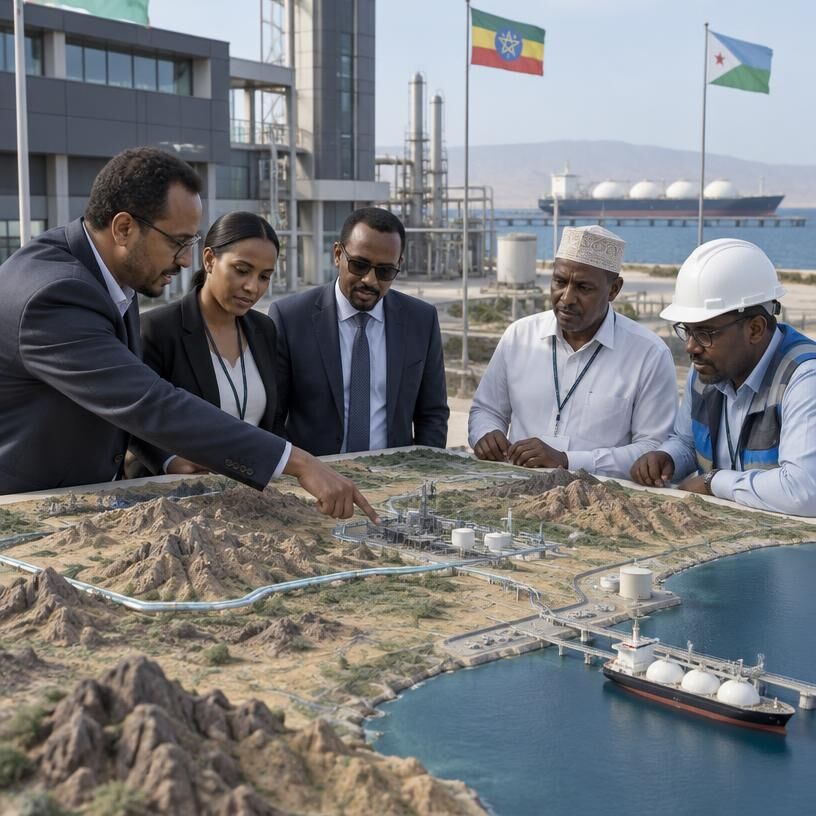
The Corridor’s Development Story
From earlier gas-development agreements to the Rainbow LNG vision, these milestones distinguish documented regional history from proposed project-planning steps.
2013
Ethiopian Gas Development Agreement
Ethiopia’s Ministry of Mines and POLY-GCL Petroleum Investments signed a petroleum development agreement covering gas resources in Ethiopia’s Ogaden Basin. This was an agreement between those parties, not Rainbow LNG Project.
2015
Cross-Border Export Route Discussed
POLY-GCL and Djiboutian authorities advanced discussions around transporting Ethiopian natural gas toward Djibouti for export, bringing the cross-border corridor into sharper focus.
2018
Gas Development Plans Gain Visibility
POLY-GCL publicly outlined plans for gas development and an Ethiopia–Djibouti export route. Those plans form part of the corridor’s history; they should not be read as completed Rainbow LNG facilities.
2020
An Integrated Corridor Concept Takes Shape
Regional planning discussions increasingly connected upstream gas resources, transport infrastructure and potential export capacity as interdependent parts of a gas-to-market pathway.
2023
Rainbow LNG Vision Is Articulated
Rainbow LNG Project framed its development vision around linking Ethiopian gas resources with industrial expertise, transportation through Djibouti and access to international energy markets.
2026
Collaboration Remains the Next Step
The project vision continues to call for technical assessment, engagement with relevant authorities and potential partners, and careful evaluation before any proposed infrastructure or commercial arrangements can advance.
From Natural Gas Resources to Global Markets
Follow the connected stages of the Rainbow LNG Project development vision, from resource potential to energy market access.
01
Natural Gas Resources
Resource development forms the starting point for an integrated Ethiopia–Djibouti gas value chain.
02
Industrial Development
Engineering and processing plans translate resource potential into a coordinated industrial program.
03
Transportation Infrastructure
Planned connections link development activity with the infrastructure needed to move gas toward market.
04
Market Access
The corridor is intended to connect regional demand and international energy markets.
A Strategic Route from Resource to Market
The Ethiopia–Djibouti route is central to the Rainbow LNG Project development vision. It links natural gas resources and industrial planning with transportation infrastructure and access to international markets, bringing each stage of the value chain into a shared geographic framework.
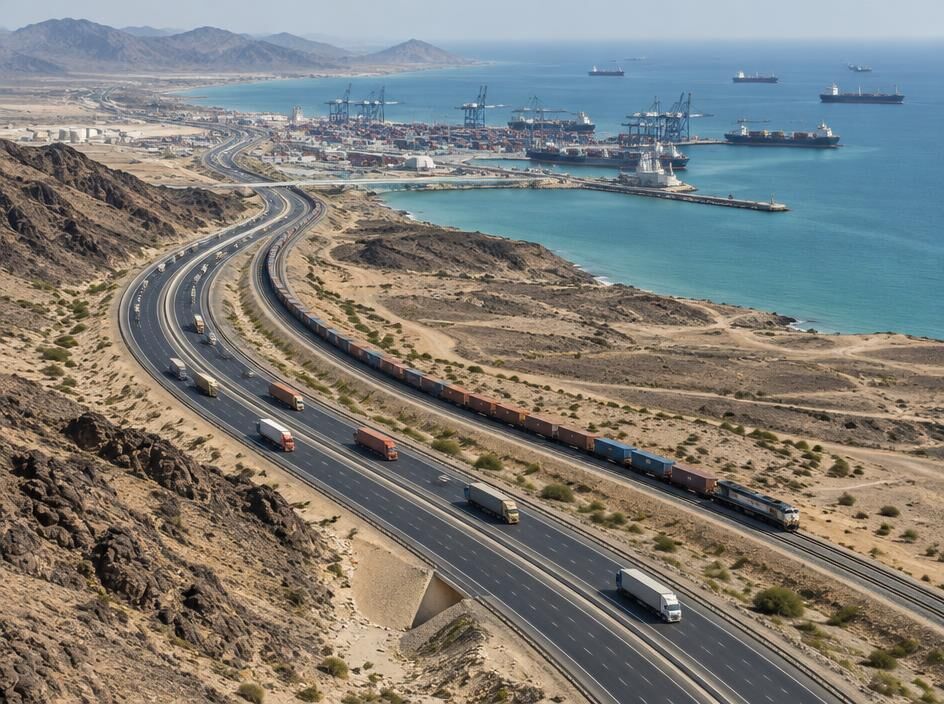

Connecting Development and Infrastructure
The route provides a framework for planning how upstream activity, industrial facilities and transportation links could work together. Coordination across these elements is essential to a coherent gas-to-market strategy.
Linking Ethiopia and Djibouti
The cross-border corridor places Ethiopia’s resource development in the context of Djibouti’s transport and maritime access. Its strategic value lies in connecting inland development plans with a pathway toward coastal infrastructure.
Reaching Energy Markets
By connecting resources, infrastructure and maritime access, the route supports a long-term vision for serving regional demand and reaching international energy markets. Its development depends on coordinated planning and collaboration.
Four Pillars of the Development Vision

Engineering Quality
Disciplined technical planning supports an integrated approach to gas development and infrastructure.

Safety & Responsibility
Attention to people, operations and local context informs responsible project planning.
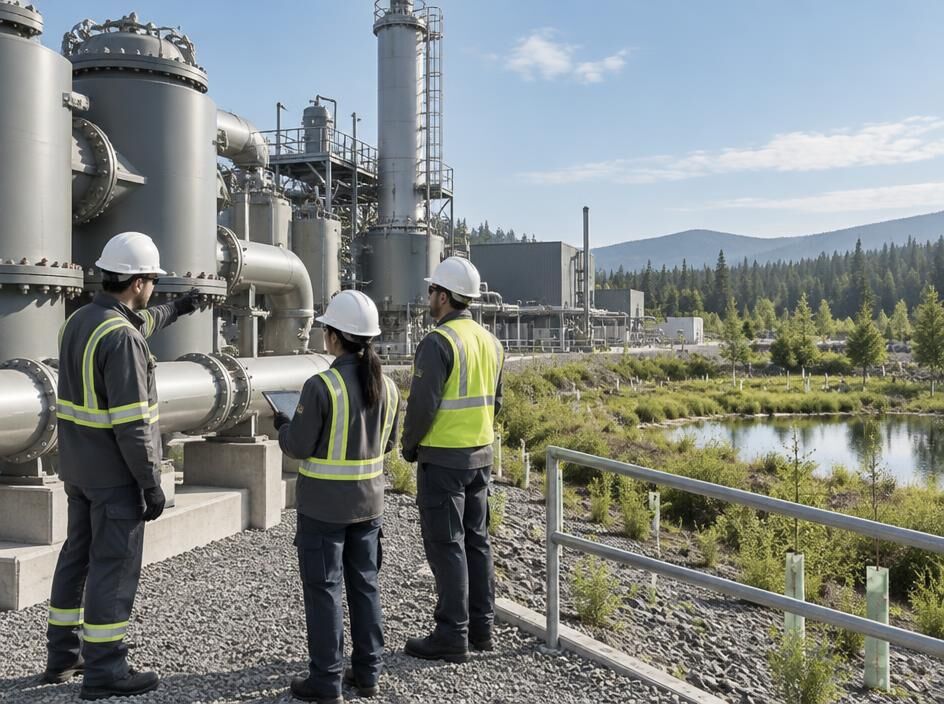
Innovation & Strategic Partnership
Adaptable thinking and long-term collaboration help connect expertise, infrastructure and markets.
Strategic Partnership
Progress Built Through Collaboration
Advancing the Rainbow LNG Project calls for coordination among project stakeholders, industrial specialists and international partners. By bringing technical expertise together with infrastructure planning and market insight, these relationships support a considered approach to long-term development across the Ethiopia–Djibouti corridor.
Explore Long-Term Collaboration

Learn how the integrated Ethiopia–Djibouti development strategy connects natural gas resources, transportation infrastructure and global markets. Explore the project vision and start a conversation about opportunities for long-term industrial collaboration.